9 DIFFERENT TYPES OF SLIME SAFE FOR LITTLE HANDS
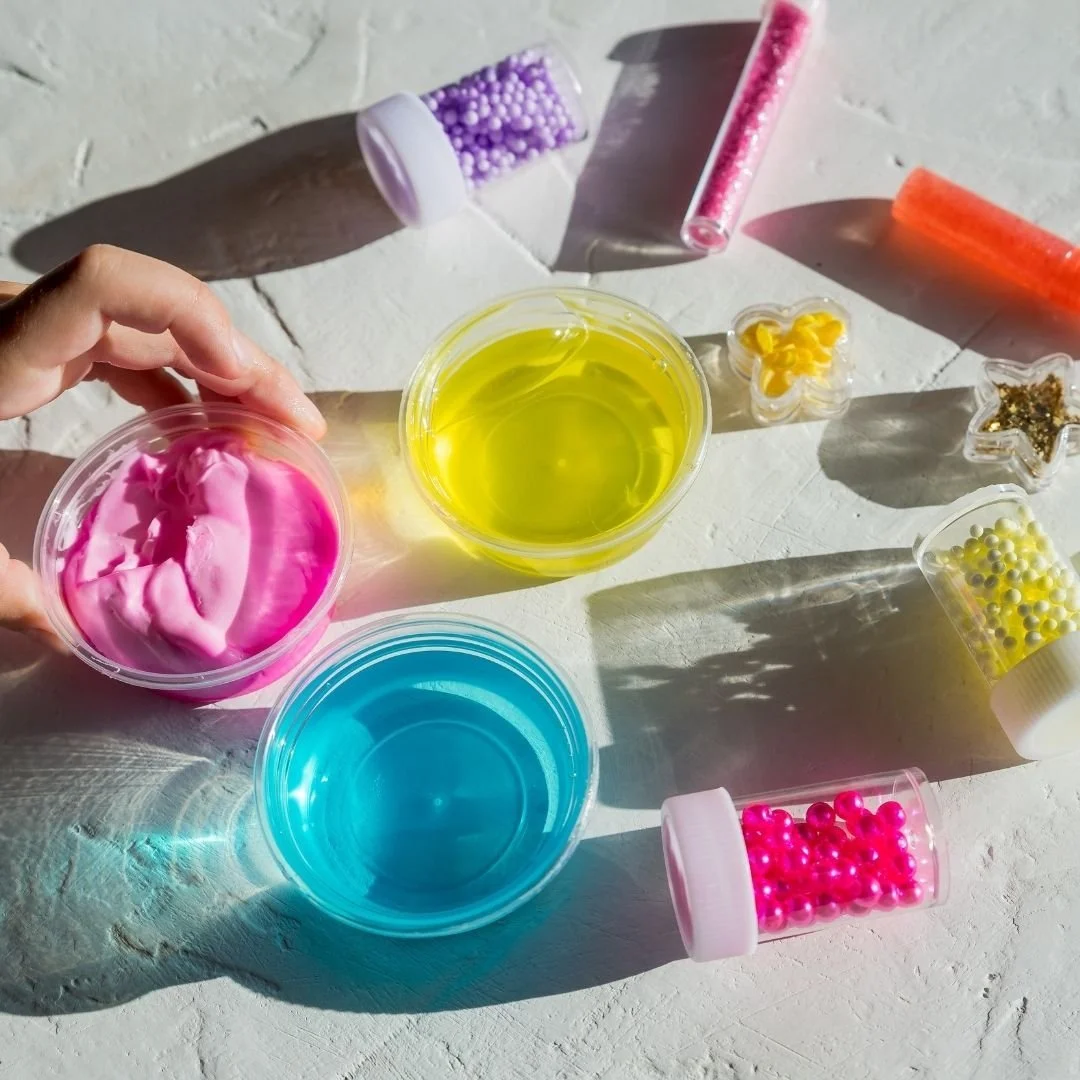
When it comes to sensory play, slime is one of the most popular activities for little hands. It’s one of the most popular tools for any sensory activity, but playing with it again and again can feel stale if you’re always using the same kind. Did you know there are actually tons of different slimes out there perfect for sensory-play-loving littles?
The best part? You can probably make the slime yourself from things lying around your house! (Or, at least you can make it with one inexpensive trip to the store.) With just a few ingredients, you can create sensory slime that can assist with brain development, support fine motor skills, improve hand-eye coordination, encourage problem-solving, and activate all of your child’s senses! (Here’s more on the benefits of slimes.)
With so many benefits, you’ll love all the fun your kids have, and slime will probably end up on your sensory table a lot! So, today, I am going to share a roundup of 10 different slime recipes, what makes each type unique, and how you can make them at home for your little ones. From glossy and buttery to ooey and gooey, each slime will bring your little one a cool, new, sensory experience!
9 Different Types of Slime Safe for Little Hands
Cloud Slime
Cloud dough slimes have a super fun and fluffy texture. They are really stretchy with a light and airy feel. Not only are they visually cool, but SO fun to touch and play with because of the soft texture. All you will need is some glue, baby oil, food coloring, baking soda, shaving cream, and contact lens solution.
You can find the whole cloud slime recipe here!
Butter Slime
Butter slime, as the name suggests, is creamy and spreadable like butter. However, rather than looking like butter, it looks more like a thick, pillowy whipped topping. All you will need is some glue, air dry clay, and a slime activator. Then, the fun begins!
To make butter slimes, just combine the glue and clay, add the activator, and mix until you get the desired consistency. Your kids won’t want to put this one down! If you can’t find clay, you can make your own DIY clay!
Crunchy Slime
Crunchy slime has a really unique texture and appearance because it’s made from foam beads. When you squeeze it, not only does it crunch and snap, but it also makes an exciting popping sound!
The satisfying CRUNCH from the foam beads offers a great multisensory experience for little minds. To make it, just mix glue, slime activator, and foam beads until you achieve a satisfying, crunchy texture.
Fluffy Slime
Fluffy slime (or floam slime) is light, fluffy, and stretchable, living up to its name! The light and airy texture is very interesting, making it an unusual sensory experience for kids. The shaving cream in the recipe adds volume, making it very soft.
Combine glue, shaving cream, and slime activator until the mixture becomes voluminous and airy. Or, if you want a super easy fluffy slime recipe, check out this messless fluffy slime recipe!

Icee Slime
Ice slime (or snow fizz slime) feels like a slushy drink in your hands (Minus the frigid temperatures). It really has the fizzy texture of snow or a slushy, which is why kids love it, especially in the summer!
To make it, combine glue, baking soda, and slime activator until you achieve a slushy-like consistency. To make it even more fun, add some fake instant snow. This is seriously one of the coolest slime textures to make at home!
Glossy Slime
Glossy slime has a smooth and shiny appearance. It is made from clear glue, but you usually add food coloring to make it a little more fun. Just combine the clear glue with food coloring and slime activator until you get a glossy finish.
I have a glow-in-the-dark glossy slime recipe that adds another layer of fun to the mix!
Clear Slime
Clear slime has a crystal-clear appearance. The see-through nature of the clear slime is exciting for kids and also allows you to add more dimensions of play. You could add DIY plastic letters and shapes or even small toys for little ones to explore.
Or, if you want to keep it simple, but no less exhilarating for your kids, add some glitter! Everyone loves phone calls. Check out my clear slime recipe here!
Jelly Slime
Jelly slime is basically jelly in your hands (just don’t eat it). This gelatinous slime has a playful and almost sticky texture that is exactly like jelly. This slime is perfect for little hands who love to explore.
We like jelly slime so much at our house, I have two recipes I switch between! Here’s the standard jelly slime recipe you’re probably familiar with, but also look at my unique epic slime recipe for something a little more adventurous.
Taste-Safe Slimes
If your kids are under 3 and still love exploring with their mouths, I’d recommend taste-safe slimes! These slimes are made with edible ingredients (though I don’t recommend eating them as a snack!), and provide the same sensory experience as the slimes made from glue!
On the blog, you’ll find recipes for a chia seed slime and a marshmallow slime! Both are taste-safe to keep sensory play stress-free and safe for everyone! Try these chia seed sensory play ideas for more fun activities!
How To Make Different Types Of Slime
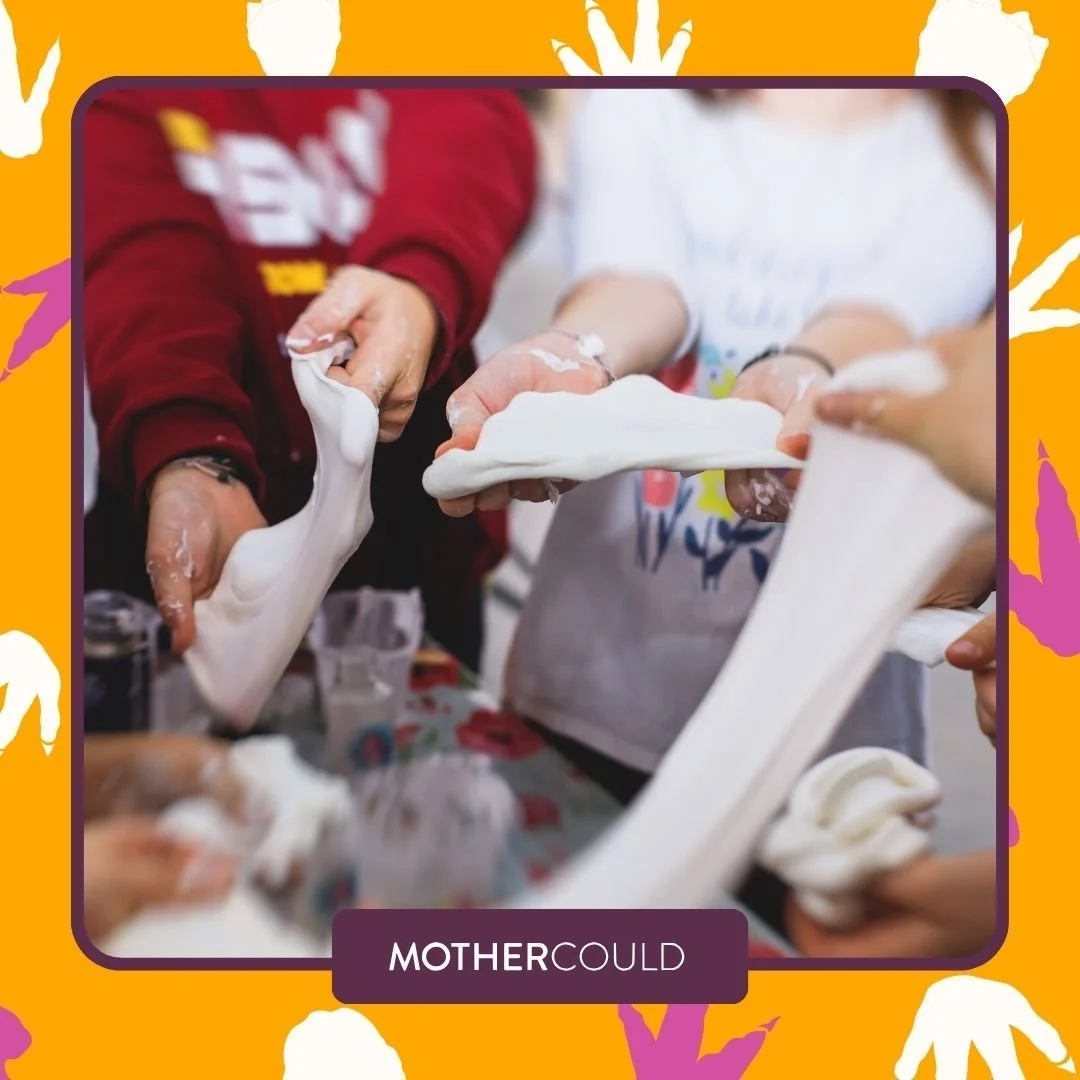
Before we dive into all of the fun textures and variations, let’s talk about the basics. Most slimes are made from the same core ingredients, with small tweaks to create different looks and feels. Once you understand what each ingredient does, making slime becomes SO much easier and A LOT more fun!
Here are the main ingredients you can expect to use and what each one is for:
Shaving Cream: Shaving cream is what gives fluffy slime its light, airy, cloud-like texture. It adds volume and softness, making slime extra squishy and fun to poke (for everyone!).
Clay: Clay is used in butter slime to give it that creamy, spreadable, dough feel. It makes slime thicker and more moldable.
Baby Oil or Lotion: Both of these things are added to make slime softer and more stretchy. They also give slime a smoother, silkier feel that little hands love.
Food Coloring or Liquid Watercolors: These are purely for fun and creativity! They let your child customize their slime and make it bright, exciting, and totally their own.
Glue: Glue is the base of most slimes. It gives slime its structure and stretch. White glue makes slime more opaque and soft, while clear glue creates that shiny, see-through look kids love.
Activator: The activator is what turns glue into slime. Without it, you just have… icky sticky glue. Activators cause the glue molecules to stick together, creating that classic stretchy slime texture.
Baking Soda: Baking soda helps strengthen the slime and improves the texture. It makes the slime less sticky and more stretchy and is usually used alongside contact lens solution.
How Many Types Of Slime Are There?
Honestly? The number of slime types is almost endless! There are dozens of well-known slimes including butter, fluffy, cloud, clear, jelly, and crunchy. But because you can mix colors, textures, and add-ins, the combinations are pretty much infinite!
Every time you add a new material, change a ratio, or mix two styles together, you create a brand new slime experience. So while there are dozens of named slime types, there are hundreds, if not THOUSANDS, of possible variations. That’s part of what makes slime such an exciting sensory activity: no two batches ever have to be the same!
Different Types of Slime Texture
One of the best parts about slime is that it doesn’t all feel the same. Each texture offers a totally new sensory experience for little hands, which is super amazing for brain development and fine motor skills.
Glossy
Glossy slime is smooth, shiny, and stretchy. It looks almost like liquid glass and is super fun for stretching and poking.
Jelly
Jelly slime is kind of thick, wiggly, and bouncy. It holds its shape more than regular slime and has a fun, jiggly movement.
Icee
Icee slime feels like a slushy or crushed ice in your hands. It’s slightly crunchy, airy, and perfect for summer sensory play.
Clear
Clear slime is transparent and stretchy, making it perfect for adding in some toys, glitter, or shapes.
Fluffy
Fluffy slime is super light, airy, and soft. Kind of like a cloud! It’s perfect for kiddos who love squishy, gentle textures, and is great for stretching and squeezing.
Butter
Butter slime is smooth, thick, and spreadable, just like soft butter! It’s incredibly satisfying to swirl around, press, and flatten.
Cloud
Cloud slime is airy, stretchy, and somewhat crumbly in the best way. It often drizzles when pulled apart and feels like soft dough mixed with slime.
Crunchy
Crunchy slime has beads or foam pieces mixed in, giving it a crackly, popping feel when squeezed. My kids love the sound and texture combo!
Things To Add To Slime For Texture
Once you have your basic slime, the real magic begins to happen when you start adding extras! These add-ins change how slime feels, sounds, and even how it moves! Here are some fun things you can add to slime for some different textures:
Sequins or Confetti
These add both visual excitement and a cool texture. Great for themed slimes (holidays, birthdays, seasons, etc.).
Plastic Beads or Charms
These give slime a chunky, bumpy texture and are fun for little fingers to explore.
Sand
Sand creates a fun, gritty, beachy texture. It’s wonderful for kids who enjoy more tactile, rough sensory experiences.
Rice or Lentils (for taste-safe slimes)
These add a natural, bumpy texture and are great for scooping, pouring, and exploring.
Foam Beads
These fun little beads create crunchy slime. They add sound, texture, and a satisfying popping feeling when squeezed.
Instant Snow: Instant snow gives slime that Icee or snow-fizz texture. It makes slime fluffy, airy, and slightly crunchy. This is my absolute favorite!
Air-Dry Clay
Clay turns regular old slime into smooth butter slime. It makes it thicker, creamier, and easier to spread and mold.
Glitter
Glitter adds sparkle and visual interest. It’s perfect for kids who love shiny, magical-looking sensory play.
Different Types Of Activator For Slime
Activators are what make slime… slime! Different activators can sometimes change the texture and firmness of slime, so it’s good to know your options. Here are some of the most common slime activators:
Saline Solution
Some saline solutions can work as activators, especially when combined with baking soda.
Laundry Detergent
Certain liquid detergents can activate slime, but results can vary depending on the brand.
Cornstarch (for taste-safe slime)
Cornstarch is used in edible or taste-safe slimes to thicken and create that ooey-gooey texture without chemicals.
Contact Lens Solution
This is one of the most popular activators. It usually contains boric acid and works with baking soda to form slime.
Borax Solution
Borax mixed with water is a strong activator and creates firm, stretchy slime. (This is best used with older kids and close supervision.)
Liquid Starch
Liquid starch is gentle on little hands and easy to use. It creates soft, stretchy slime and is great for beginners.
Fun Facts About Slime
Because slime is plain fascinating, here are some fun little facts to share with your little ones, or just enjoy yourself! Everyone loves a fun fact.
No two batches of DIY slime are ever exactly the same, and that’s the fun of it!
Slime is a non-Newtonian fluid, which means it can act like both a solid and a liquid.
It’s often used in therapy settings to support sensory processing.
The original slime toy was first sold in 1976!
Slime play helps to strengthen hand muscles, which supports writing and fine motor development.
Clear slime can take several days to fully clear up after mixing because of the air bubbles.
Slime can help kids self-regulate and calm down, making it a fantastic tool for big emotions.
Keep your whole family busy with these awesome slimes!
There are so many benefits of playing with slime. It can help to develop fine motor skills, boost creativity, keep little minds engaged, and so much more.
For more slime recipes (and necessary cleaning hacks) download the Mothercould in Your Pocket resource. It’s THE sensory toolkit for families looking to expand their minds and playtime!