FINE MOTOR SKILLS FOR 2-YEAR-OLDS: MILESTONE ACTIVITIES AND TIPS
There are so many small things we’re responsible for teaching our children as they grow. From “How to Teach Spelling” to “How to Teach Kids Patience,” I’ve talked a lot about those little-but-big developmental milestones before! However, behind each major achievement lie fine motor skills. These are the small muscles in the hands and fingers that allow kids to make tiny, precise movements.
And, excitingly enough, these skills adapt, evolve, and shift through each phase of your child’s life! When they’re older, this looks a lot like buttoning shirts or safely cutting out Printable Activity Pages. But for 2-year-olds, this looks more like holding crayons, stacking blocks, and squeezing playdough.
The earlier you can hone in on these skills, the better you’re setting your little ones up for success later on. And trust me, it’s not as intimidating as it may sound! So today, I’m guiding you through everything you need to know about fine motor skills for your 2-year-old. I’ll talk about what they are, why they’re important, and steps you can take to encourage development. Let’s grow together!
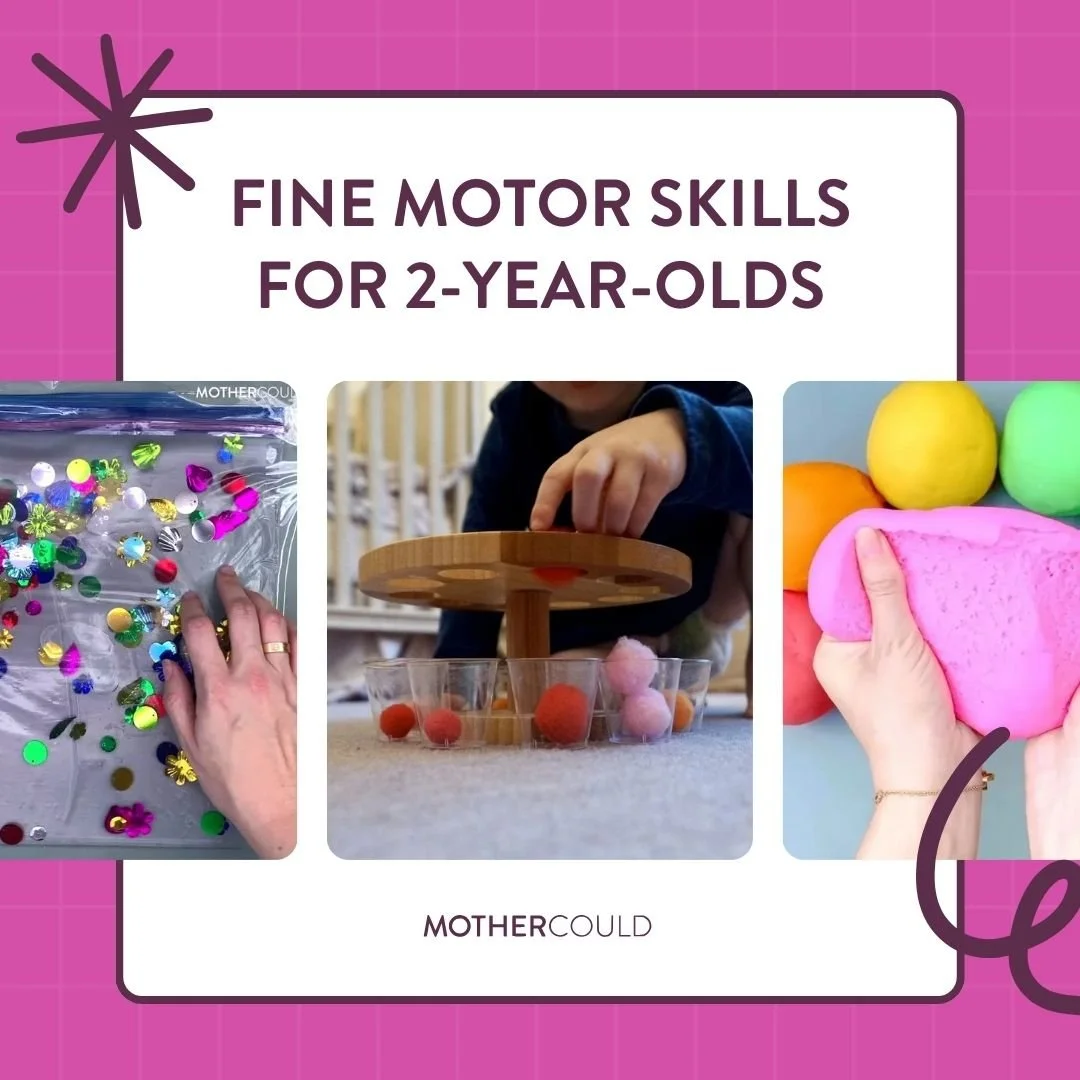
Fine Motor Skills for 2-Year-Olds: Milestone Activities and Tips
Children begin developing gross motor skills (large-muscle movements) and fine motor skills (smaller-muscle movements) as early as birth! From sitting and crawling to developing a pincer grasp and better hand coordination, child development happens fast in the early years.
Even as infants, small, everyday moments, like tummy time, can help strengthen muscles necessary for better fine motor development. However, kids require consistent encouragement to keep building these skills through every formative stage.
Before we dive into the how-tos, let's look at what you should expect during the process.
What Fine Motor Skills Should Two-Year-Olds Have?
Every little one is different, and there’s no one-size-fits-all approach to motor skill development. Know that growth is a process, and progress shows up in small, consistent improvements—not sudden leaps. If you want individualized advice, you can always reach out to pediatricians or occupational therapists.
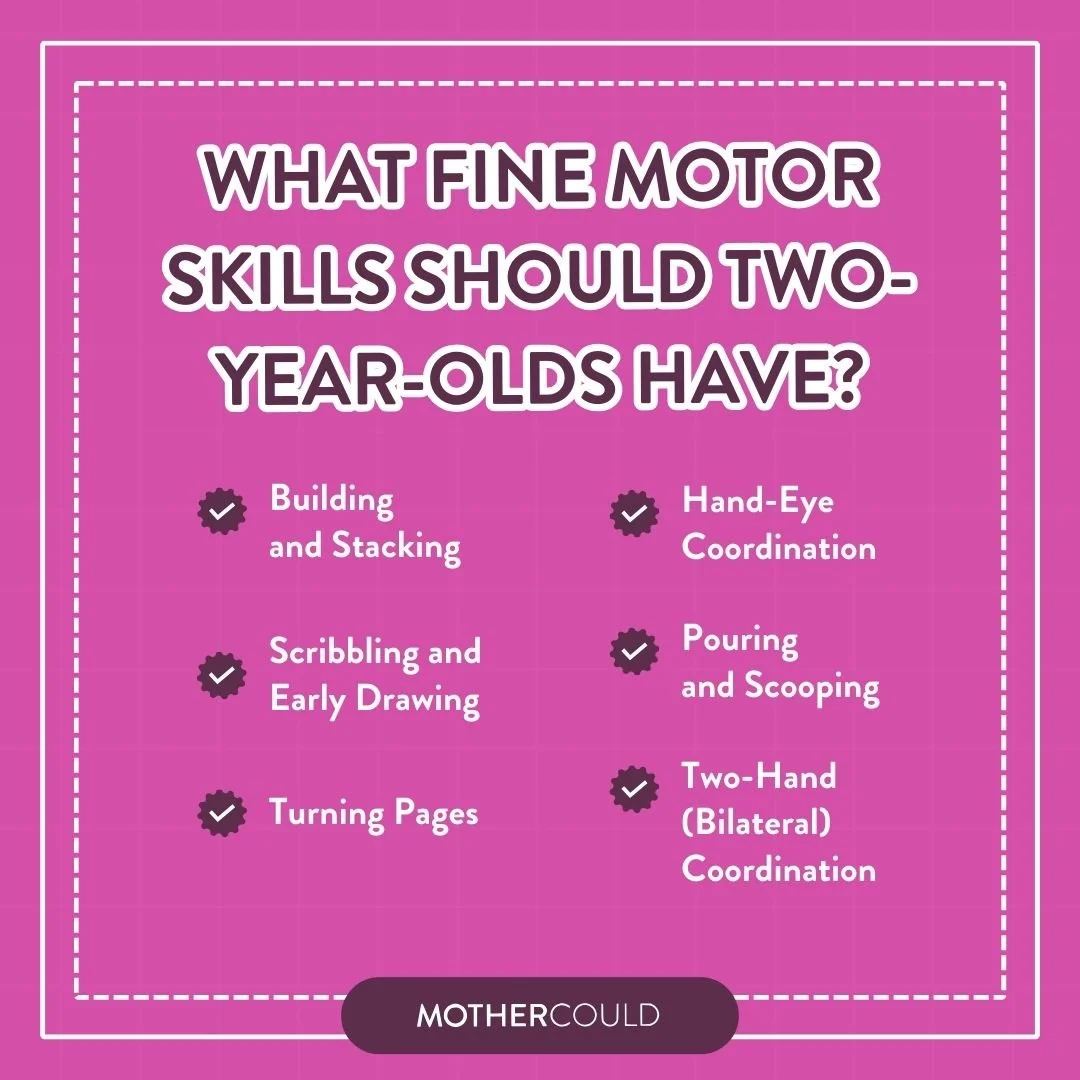
However, here are general milestones that most children begin developing between 2-3 years old:
Building and Stacking: At 2 years old, many children start learning how to build and stack blocks. These won’t be super tall towers just yet, though! They tend to stick around four to six blocks.
Scribbling and Early Drawing: As I mentioned in “How to Teach Kids How to Write,” children don't truly begin learning letters until ages 3-4. They also don’t really have that dynamic tripod grasp (holding a pencil between the thumb and fingers) down until 4-6. However, at 2 years old, most little ones will do something called "controlled scribbling.” This is where they transition from drawing random scribbles to intentional shapes.
Turning Pages: At this age, your child often turns pages of a book with more control and intention. Rather than grabbing and flipping multiple pages at a time, they’re slowly learning to be a bit more precise.
Hand-Eye Coordination: Many 2-year-olds demonstrate hand-eye coordination by doing everything I mentioned above! They start to show better visual tracking and intentional movements.
Pouring and Scooping: While often messy, 2-year-olds are generally able to pour and scoop different materials. This can look as simple as using sensory scoops to pour colored beans in a separate container!
Two-Hand (Bilateral) Coordination: Banging blocks, holding a bottle with both hands, and clapping all demonstrate bilateral coordination. While they may begin showing hand preference (which hand will be their dominant one!), they’re still using both for plenty of different tasks.
Why Are Fine Motor Skills Important for 2-Year-Olds?
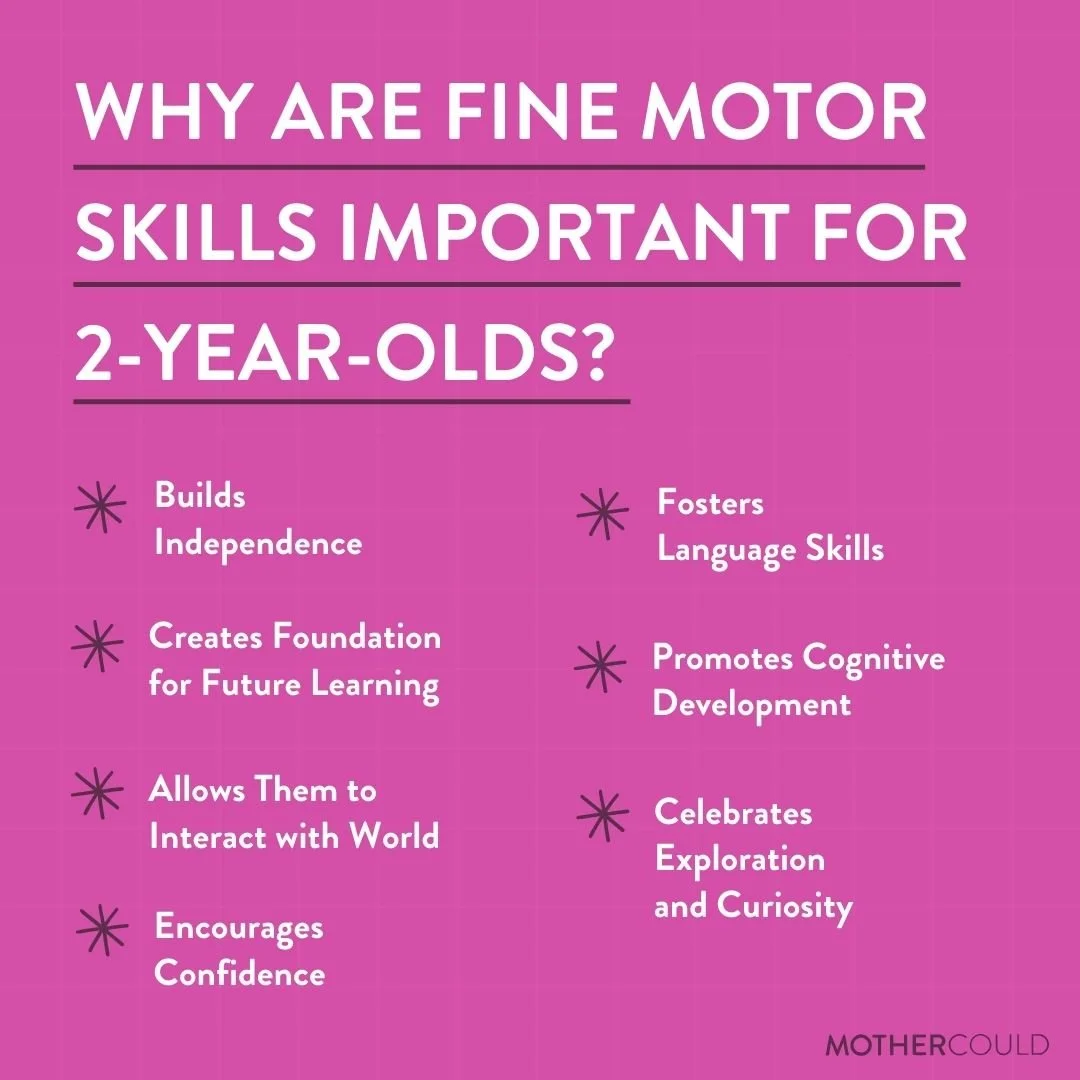
Builds Independence: The more “in control” little ones feel, the more confident they become. This is why many 2-year-olds start trying to undo large buttons on shirts or feed themselves with spoons. Even if they struggle through the process, they love the sense of achievement!
Creates Foundation for Future Learning: Fine motor skills truly are the foundation of so many things. They’re essentially the “link” to cognitive development, problem-solving, and academic readiness.
Allows Them to Interact with World: The more proficient a child is in fine motor development, the better they’re able to interact with the world around them. They become more self-reliant, naturally making things more easily accessible!
Encourages Confidence: Just like with independence, confidence is super important for 2-year-olds. When they’re able to do little things without consistent help, it boosts their self-esteem and self-assurance!
Fosters Language Skills: The more children interact with different objects, the more they’ll want to tell you about them. And when this happens, you can begin labeling things—like colors, feelings, or objects—helping distinguish between things later on.
Promotes Cognitive Development: Fine motor tasks require focus, planning, and problem-solving. Whether it’s stacking blocks playing or with shape sorters, they’re learning how to think ahead, make decisions, and understand cause and effect.
Celebrates Exploration and Curiosity: Fine motor activities naturally encourage exploration. Kids play with new tools, experience new textures, and use objects in different ways. Each pinch, poke, scoop, or squeeze opens the door to imagination and discovery!
How To Develop Fine Motor Skills in 2-Year-Olds
Encourage Everyday Participation:
As I mentioned earlier, the little things you do everyday are what matter the most! You can encourage fine motor development through zipping jackets, coloring with crayons, using spoons, or stirring bubbles in the bath. These are just natural movements that can be seamlessly built into your routine—not around it.
Focus on Repetition:
Repetition is everything when it comes to fostering development. The more your child does something, the more they strengthen those little neural pathways in the brain. This is what solidifies connections and develops habits! Soon, fine motor skills won’t be something you’re actively helping your child grow—they’ll just naturally do it all by themselves.
Create Sensory-Rich Environments:
Kids learn through their five senses—and sensory play recognizes that! The more enriching the environment, the more children will interact with it. Incorporating different textures, sounds, smells, and tastes is the key to success here. Doing so challenges their skills in new, engaging ways!
Celebrate Progress, Not Perfection:
Skill development isn’t linear—it looks different for every kid, regardless of age. In light of this, noticing and celebrating effort is much more impactful than aiming for perfection. Even if it takes them a few tries to get there, a simple “You did such a good job!” goes a long way!
Plus, if your kids start focusing on perfection, they miss those crucial developmental markers, like building patience, persistence, and problem-solving.
Fine Motor Activities for 2-Year-Olds
There are so many exciting and engaging fine motor activities for toddlers! Here are just a handful of my favorites for you to try:
Pom-Pom Drop:
Using a cone stand and small plastic cups, hand over pom-poms and ask your little one to drop them through the holes. Then, ask them to put a matching pompom (from a pile to the side) in each cup!
Taste-Safe Play Dough:
There are so many things you can use play dough for—you don’t need specific instructions here! Even simple motions like squishing, squeezing, and stretching are great for fine motor development.
Dot Marker Activity Pack:
Are 2-year-olds guaranteed to stay inside the lines here? Of course not! But that’s all part of the fun. The dot markers are great for gripping, pressing, and hand-eye coordination.
Color-Mixing:
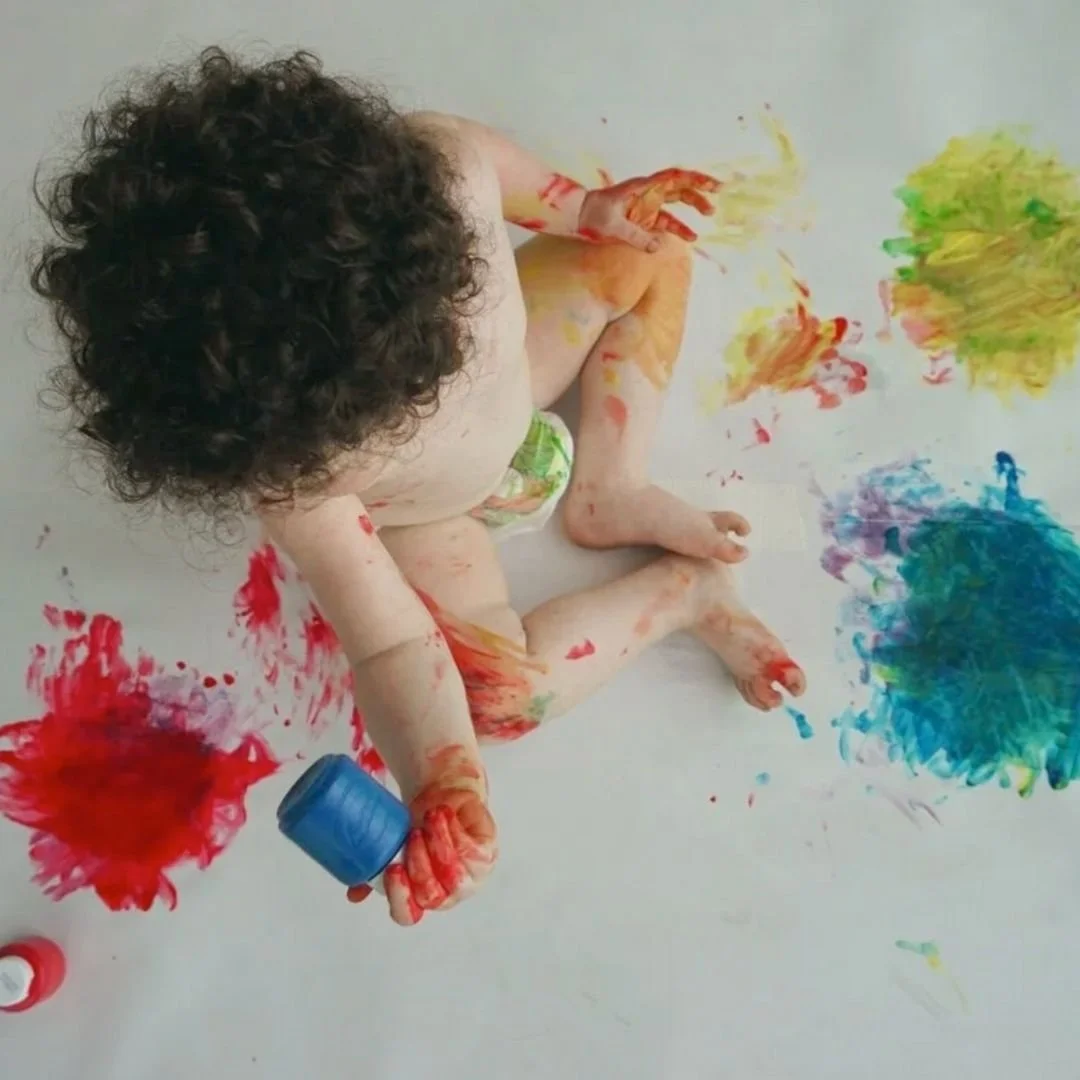
Making a little mess from time to time is a rite of passage for 2-year-olds! With white paper and Crayola paint, kids can squish, spread, and swirl colors around—all of which is amazing for fine motor development.
Sensory Bins:
The benefits of sensory bins? Unmatched. Whether your child uses fingers or small tools, handling small objects plays a huge role in developing fine motor skills!
Fine Motor Tubes:
All you need here is recycled paper rolls, a little paint, and some Q-tips. Not only is this activity bright and colorful, but it also engages the pincer grasp and strengthens small hand muscles!
DIY Sensory Bag:
Mess-free and developmentally beneficial—it’s a win-win! This activity improves dexterity and hand-eye coordination as kids poke and manipulate objects inside the bags.
Colorful Spaghetti Pull:
It’s slimy, it’s squishy, and it’s colorful—kids will love playing as much as you’ll love the benefits! Pulling spaghetti noodles is excellent for practicing precise finger movements and improving dexterity.
Developing fine motor skills isn’t just a milestone—it’s the foundation for confident, creative, and independent 2-year-olds.
Teaching kids new skills can feel challenging at times. I get it! It can feel like a balancing act between doing everything right and making it fun, engaging, and exciting. With intention, everyday repetition, and simple but structured activities? Your little ones will master those fine motor skills in no time. See this roundup for more fun activities to do with 2-year-olds.
If you’re looking for other ways to raise confident and independent children, check out our book, Playful By Design! This guide is dedicated to destressing parenting through organizational tips, thoughtfully planned play spaces, and the alleviation of mental and physical clutter. Boredom transforms into an opportunity for creativity, and parents finally have the time and space to catch their breath!
That’s not all, though! On the Mothercould blog, you can find kid-friendly meals, DIY recipes for classic playtime materials, and helpful cleaning how-to hacks. Want even more? Join Mothercould In Your Pocket, your go-to resource for 60+ printable recipes, product recommendations, play strategies, and more!