HOW TO MAKE LEARNING FUN FOR KIDS: SIMPLE AND ENGAGING IDEAS
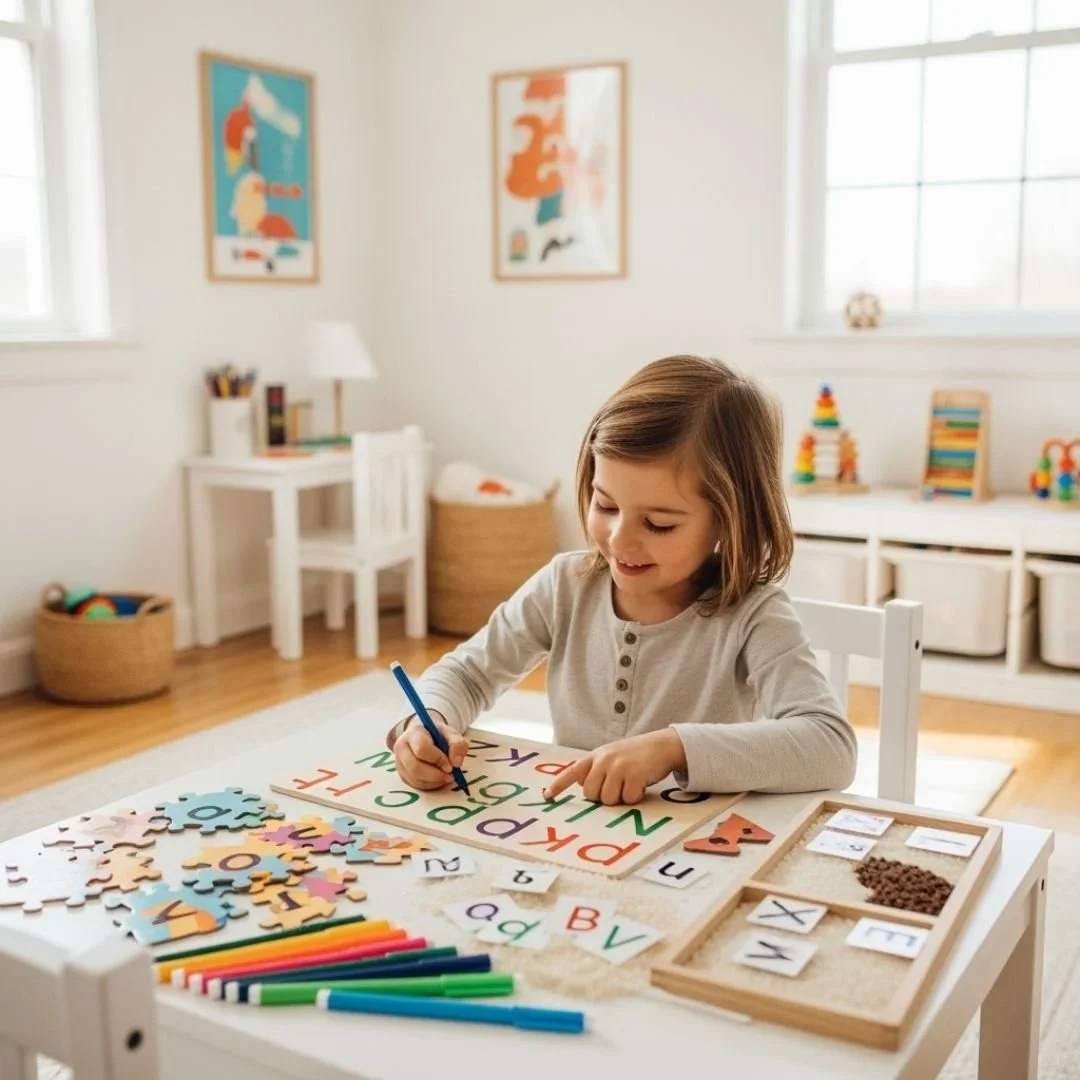
One of the most exciting parts of parenthood is watching our little ones learn new things. From using a fork to brushing their teeth, these milestones show just how ready they are to take on the world—one little step at a time. Getting kids to want to learn new things, though? Now that’s a whole different story!
Between short attention spans, big feelings, and tons of little distractions, it can feel like a struggle to get your kids to sit still—let alone learn something new! But here’s the thing: kids are naturally curious. This is why they touch, taste, shake, smell, and squeeze everything around them! (In other words, this is also why sensory play is so important.)
All we have to do is lean into that curiosity and make learning fun, not forced. And trust me, it’s much easier than you may think! To give you a little inspiration, I’m sharing a handful of ways to make learning more fun. And, don’t worry, I’ll also share a few of my favorite learning activities, too! These ideas make hands-on learning simple, screen-free, and approachable for kids of all ages. Put those thinking caps on and let’s get started!

How to Make Learning Fun for Kids: Simple and Engaging Ideas
Finding ways to make learning fun and engaging can feel like a challenge, no matter what you’re trying to teach. However, it’s also a fantastic opportunity to get creative and discover new ways to connect!
Through tools like Printable Activity Packs, Playful by Design, and unique sensory play activities, you can bring fresh, hands-on experiences into your home—making every moment meaningful and educational. That said, it helps to remember why making learning fun matters so much—for both kids and parents.
So, before we dive into all of the fun ideas and hands-on activities, let’s talk about it!

Why Is It Important to Make Learning Fun for Kids?
Encourages Creativity: Learning can be stressful, regardless of age. Having to remember the ABCs for the first time is tough! Fun, open-ended learning removes that pressure and allows kids to explore in new ways.
Boosts Motivation: If you tell a kid it’s time to sit at the table and practice addition, they probably won’t be too excited. But if you pull out the homemade recycled counting box activity, they’ll be all in! Kids are much more likely to stay focused if they’re having fun. This means fewer distractions and more “can we do that again?” moments.
Improves Memory Retention: When kids are actively involved—touching, moving, laughing, scooping—they’re much more likely to retain information. More specifically, they’re using multiple parts of the brain, including motor and sensory areas! When you turn topics into experiences, you’re helping those ideas stick for good.
Enhances Problem-Solving: A big part of teaching important skills ultimately involves getting it “right.” Spelling, math, reading, writing—they each have their own process. But that doesn’t mean it has to be perfect! When kids associate learning with play, they’re less likely to become discouraged from mistakes and more likely to continue trying even when they get it wrong.
Supports Confidence: Although they’re little, kids still have big feelings. Just as you get discouraged when you do something incorrectly, children feel the same way! When they’re allowed to learn in a low-pressure environment, it removes the stress and builds confidence. As I mentioned above, they’re much more likely to try, fail, and try again—without stress or anxiety.
Fosters a Lifelong Love of Learning: As long as learning feels fun, kids will always embrace new experiences with joy. That curiosity and excitement will stay with them for life—and that’s a gift that truly keeps on giving.

How to Make Learning More Fun for Kids
As your children grow, there’s always something new to learn. The ABCs, simple mathematics, early reading skills, how to spell their name, and even how to tie their shoes. Each stage comes with its own little milestones, and finding fun ways to teach these skills can make the experience all the more exciting.
Here are strategies that make learning feel less like a chore and more like an exciting activity:
Use Hands-On Activities: Kids learn best when they’re able to touch and manipulate items. Not only does this increase engagement, but it also aids in memory retention. You can find hands-on activities in this post, “Science With Toddlers.”
Incorporate Color and Texture: The more color and texture you’re able to incorporate into an activity, the better. Bright, engaging materials keep children’s attention where it belongs—on learning! As a result, that sensory input stimulates the brain, creating stronger connections.
Turn Learning Into a Game: Just like I discussed in “Minute to Win It Games for Kids,” when you blend learning with engaging games? It makes lesson plans feel playful memories. This is the best way to increase engagement and encourage motivation.
Encourage Repetition Through Play: Think of learning as a task: the more you ask your kid to do it, the less likely they’ll enjoy it. This applies to both chores and developing essential skills! When you repeat learning in fun, interactive ways, kids naturally practice without realizing it. And, if you ask me, that’s the best way to learn!
Incorporate Sensory Experiences: Combining tactile, visual, and movement-based learning truly is the key to success. Sensory stimulation strengthens neural pathways, helping kids retain information and process what they’re learning. Another win for sensory play!
Fun Alphabet Activities for Kids
On average, kids begin to learn their ABCs between ages two and four, and then all the exciting stuff—like reading and writing—follows! If you’re trying to find fun ways to teach the alphabet, here are a few of my favorites:
Colorful Rice Letter Find Activity: Fill a sensory bin up with colored rice, stuff a few 3D letters underneath, and have your child dig them out. As they find each letter, ask them to practice the pronunciation. Simple, texturally engaging, and fun!
Salt Dye Letter Tray: Fill a shallow bin or tray with color-dyed salt, shake it to create a smooth, even layer, and have kids trace their ABCs. They’ll love the vibrant colors and the texture of the salt as they practice!
Letter Posting Box DIY: Working on upper and lowercase letters? Make it fun and easy with this easy DIY craft! All you need is a disposable wipes case, a hot glue gun, a dry-erase marker, and 3D letters. Before you know it, your little ones will be asking you if they can practice their ABCs!
Fun Writing Activities for Kids
Already a pro at the ABCs and ready to put pen to a piece of paper? There are plenty of exciting and engaging sensory activities that can teach kids how to write. Here are some of my go-to options for working on this essential skill:
Alphabet and Writing Activity Pack: Activity packs are some of the MOST exciting ways to work on writing! The instructions are simple, and little ones love putting their skills to the test through fun mazes and fill-in-the-blanks.
Color Mixing and Writing Bags: Who knew a splash of color and a squishy bag could spark a love for writing? Just mix hair gel and food coloring in a Ziploc bag for a simple, mess-free writing activity kids will love.
Name Recognition: Don’t worry, this activity is totally safe and mess-free—no windows were harmed in the making! Using window crayons (or paint), ask your kid to write different words on the window. You can start with their name and move on to more challenging words as they continue to learn. It’s both easy and exciting!
Fun Math Activities for Kids
At times, teaching kids numbers can be just as frustrating for you as it is for them. I get it! That’s why these activities can be a lifesaver. Here are a few of my favorite games and activities for teaching math to kids:
Number Hunt Sensory Bag: Remember the color mixing activity I mentioned above? This activity follows the same method—kids are just practicing their numbers instead of letters! Trust me, place a squishy bag in front of a child and they’re locked in.
Math Tree Activity: Sometimes, learning math requires a little creativity, and this activity proves it! Draw a layout of a tree, write math problems inside the bushes, and put the solutions on adhesive circle labels. Your kiddo will place the correct answer over each problem and voila—that’s it!
Math Trashketball: This game works by turning counting into an active, hands-on challenge. It’s perfect for littles just starting with math! Ball up recycled pieces of paper and have your kids toss them into a trash can, counting out loud each time they make a “basket.” It really is as simple as it seems!
See this post for more fun math activities for toddlers!
Looking to make learning stick? These fun strategies and ideas do just the trick!
Whether you’re a parent planning out afternoon activities or a teacher helping students learn, making learning fun truly is the key to success. With the right strategies, children retain information better, feel more motivated, and actually enjoy the experience. As a parent or caretaker, nothing is better than watching little ones blossom and grow!
Want more information on turning your home into a space that fosters creativity and connection? Order our new book, Playful by Design! This comprehensive guide provides everything you need to create thoughtfully planned spaces, nurture growth, and take a second to catch your breath.
Learning doesn’t stop after a certain age—for more helpful hacks and creative ideas, head to the Mothercould Blog! I share everything from sensory activities that make learning easier to nutritious, kid-friendly snacks (that you’ll appreciate halfway through a lesson plan!). Also, don’t forget to join the Mothercould In Your Pocket Resource! Here you can find engaging activity packs, helpful how-to guides, and printable recipe cards.